Monday, October 9, 2023

Top healthy food to keep you fit!

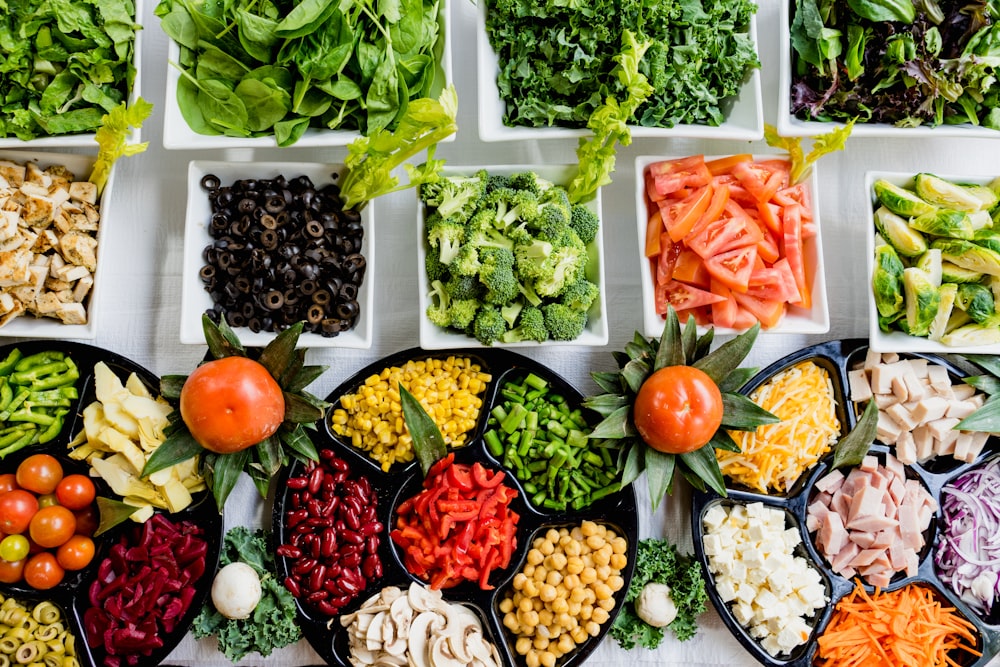
 macro shot of vegetable lot

Eating a well-balanced and healthy diet is essential for maintaining fitness and overall well-being. Here are some top healthy foods that can help you stay fit:

  1. Leafy Greens: Vegetables like spinach, kale, Swiss chard, and broccoli are packed with vitamins, minerals, and antioxidants. They are low in calories and high in fiber, making them great for weight management.

  2. Lean Proteins: Include lean sources of protein like chicken breast, turkey, fish, tofu, and beans in your diet. Protein is essential for muscle repair and growth.

  3. Whole Grains: Opt for whole grains such as brown rice, quinoa, oats, and whole wheat bread. They provide sustained energy and are rich in fiber.

  4. Fruits: Fruits like berries, apples, oranges, and bananas are rich in vitamins, minerals, and fiber. They make for a nutritious and natural source of energy.

  5. Nuts and Seeds: Almonds, walnuts, chia seeds, and flaxseeds are good sources of healthy fats, protein, and fiber. They can help control hunger and provide essential nutrients.

  6. Greek Yogurt: Greek yogurt is high in protein and probiotics, which support digestive health and can aid in weight management.

  7. Avocado: Avocado is rich in monounsaturated fats, which are heart-healthy. It's also a good source of fiber, vitamins, and minerals.

  8. Salmon: Fatty fish like salmon is high in omega-3 fatty acids, which are beneficial for heart health and can reduce inflammation.

  9. Eggs: Eggs are a great source of protein, vitamins, and minerals. They are also versatile and can be prepared in various ways.

  10. Legumes: Beans, lentils, and chickpeas are rich in protein, fiber, and complex carbohydrates. They help stabilize blood sugar levels and provide long-lasting energy.

  11. Olive Oil: Use extra virgin olive oil as your primary cooking oil. It contains healthy monounsaturated fats and antioxidants.

  12. Berries: Berries like blueberries, strawberries, and raspberries are packed with antioxidants and vitamins. They are also relatively low in calories.

  13. Green Tea: Green tea is rich in antioxidants and has been associated with various health benefits, including improved metabolism and weight management.

  14. Quinoa: Quinoa is a complete protein source and a good alternative to traditional grains. It's also rich in fiber and various vitamins and minerals.

  15. Cottage Cheese: Cottage cheese is low in fat and high in protein, making it an excellent choice for a protein-rich snack or meal.

Remember that a balanced diet, regular physical activity, and portion control are key to maintaining fitness and overall health. It's also important to consult with a healthcare professional or registered dietitian for personalized dietary recommendations based on your individual needs and goals.

Sunday, October 8, 2023

Healthy snacks suggestions

 flat lay photography of sliced apples, sausages, chips and brown sauce

Healthy snacks can help keep your energy levels stable between meals and provide essential nutrients. Here are some suggestions for healthy snack options:

  1. Fresh Fruit:

    • Grab a piece of fresh fruit like apples, bananas, oranges, or berries. They are rich in vitamins, fiber, and natural sugars.
  2. Vegetable Sticks with Hummus:

    • Cut up some cucumber, carrot, bell pepper, or celery sticks and dip them in hummus. This combination provides fiber, vitamins, and healthy fats.
  3. Greek Yogurt:

    • Opt for plain Greek yogurt, which is high in protein and probiotics. Add a drizzle of honey and some berries for extra flavor.
  4. Nuts and Seeds:

    • A small handful of unsalted almonds, walnuts, or pumpkin seeds can provide healthy fats, protein, and fiber.
  5. Nut Butter on Whole-Grain Bread:

    • Spread almond, peanut, or cashew butter on whole-grain bread or rice cakes for a satisfying and nutritious snack.
  6. Cottage Cheese with Fruit:

    • Cottage cheese paired with sliced peaches, pineapple, or a sprinkle of berries offers a mix of protein and natural sweetness.
  7. Hard-Boiled Eggs:

    • Hard-boiled eggs are portable and packed with protein. Sprinkle them with a pinch of salt and pepper for flavor.
  8. Popcorn:

    • Air-popped popcorn (without excessive butter or salt) is a whole grain and can be a low-calorie, satisfying snack.
  9. Sliced Avocado on Whole-Grain Crackers:

    • Spread sliced avocado on whole-grain crackers and top with a dash of sea salt and pepper.
  10. Smoothie:

    • Blend a smoothie using Greek yogurt, spinach or kale, frozen fruit, and a splash of milk or a dairy-free alternative.
  11. Cottage Cheese and Pineapple:

    • Combine cottage cheese with chunks of fresh pineapple for a sweet and savory snack.
  12. Trail Mix:

    • Make your own trail mix by combining nuts, seeds, dried fruit, and a small amount of dark chocolate chips or cacao nibs.
  13. Cherry Tomatoes with Mozzarella:

    • Pair cherry tomatoes with mini mozzarella balls and a drizzle of balsamic vinegar for a tasty and nutritious snack.
  14. Oatmeal:

    • Cook a small portion of oatmeal and add a touch of honey, sliced banana, or a handful of berries for natural sweetness.
  15. Rice Cakes with Toppings:

    • Top rice cakes with avocado, cottage cheese, smoked salmon, or almond butter for variety.
  16. Edamame:

    • Steamed edamame (young soybeans) is a protein-packed and satisfying snack. Sprinkle with a little sea salt for flavor.

Remember to pay attention to portion sizes, especially with calorie-dense snacks like nuts and nut butter. Also, be mindful of any dietary restrictions or allergies you may have when selecting snacks. These healthy snack ideas can be customized to suit your taste preferences and dietary needs.

Thursday, October 5, 2023

What are the best fruits to eat for weight loss?

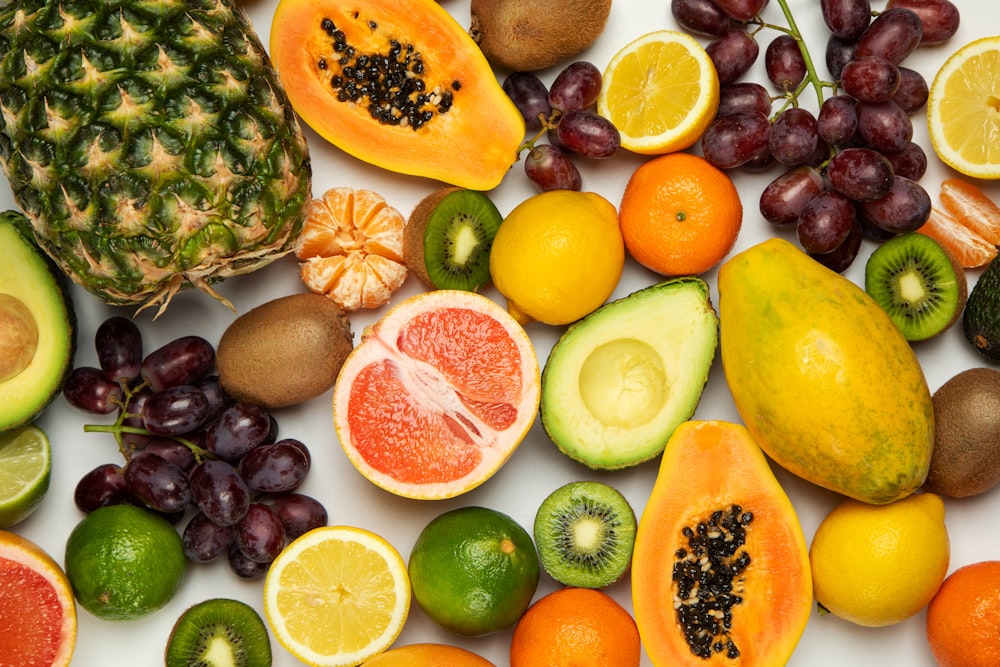
 sliced orange fruit and green round fruits

When it comes to weight loss, it's important to incorporate fruits that are relatively low in calories and high in nutrients and fiber. These fruits can help you feel full and satisfied while also providing essential vitamins and minerals. Here are some fruits that are often considered excellent choices for weight loss:

  1. Berries (e.g., strawberries, blueberries, raspberries): Berries are low in calories and packed with antioxidants, vitamins, and fiber. They can help control your appetite and satisfy your sweet tooth.

  2. Apples: Apples are rich in fiber, particularly soluble fiber called pectin, which can help you feel full. Eating an apple before a meal may reduce your overall calorie intake.

  3. Pears: Like apples, pears are high in fiber and can help with satiety. They also have a naturally sweet flavor.

  4. Citrus fruits (e.g., oranges, grapefruits): Citrus fruits are low in calories and high in vitamin C. They can add a refreshing and tangy element to your diet.

  5. Kiwi: Kiwi is a nutrient-dense fruit that's low in calories and high in fiber, vitamin C, and vitamin K.

  6. Watermelon: Watermelon is mostly water, making it a hydrating and low-calorie choice. It's also a good source of vitamins A and C.

  7. Papaya: Papaya is low in calories and contains an enzyme called papain that may aid digestion.

  8. Guava: Guava is a tropical fruit that's rich in fiber, vitamin C, and various antioxidants. It's relatively low in calories.

  9. Cherries: Cherries are a sweet and low-calorie fruit that can be a satisfying snack.

  10. Plums: Plums are high in vitamins, fiber, and antioxidants. They can help support digestive health.

Remember that while these fruits can be part of a healthy weight loss diet, portion control is still important. Eating excessive amounts of any food, even fruits, can contribute to weight gain. Additionally, it's essential to maintain a balanced diet and engage in regular physical activity for effective and sustainable weight loss. Consulting with a healthcare professional or registered dietitian can provide personalized guidance tailored to your specific needs and goals.

Wednesday, October 4, 2023

What is the best type of exercise for weight loss?

 silhouette of three women running on grey concrete road

The best type of exercise for weight loss can vary from person to person, as individual preferences, fitness levels, and goals play a significant role. However, there are several types of exercises and strategies that can be effective for weight loss:

  1. Cardiovascular (Aerobic) Exercise: Cardio exercises elevate your heart rate and help burn calories. Some effective options include:

    • Running or Jogging: High-intensity and burns a significant number of calories.
    • Cycling: Great for lower-body strength and endurance.
    • Swimming: A full-body workout that's easy on the joints.
    • Walking: Suitable for beginners and can be done almost anywhere.
    • Dancing: Fun and can be a great way to burn calories.
  2. High-Intensity Interval Training (HIIT): HIIT involves short bursts of intense exercise followed by brief periods of rest or lower-intensity exercise. It can help you burn calories both during and after the workout due to the "afterburn" effect.

  3. Strength Training: Building lean muscle mass can increase your metabolism, which helps with long-term weight management. Weight lifting, resistance bands, and bodyweight exercises like push-ups and squats are effective options.

  4. Circuit Training: Combines cardiovascular and strength exercises into a single workout. It can be an efficient way to burn calories and improve overall fitness.

  5. Yoga: While not as intense as some other forms of exercise, yoga can aid weight loss by reducing stress, improving flexibility, and promoting mindfulness, which can lead to healthier eating habits.

  6. Pilates: Focuses on core strength, flexibility, and overall body conditioning. It may not burn as many calories as cardio exercises but can complement a weight loss program.

  7. Sports and Recreational Activities: Engaging in sports like tennis, basketball, or racquetball, or recreational activities like hiking or rock climbing, can make exercise more enjoyable and help you stay consistent.

  8. Consistency and Variation: The key to successful weight loss through exercise is consistency and variety. A combination of different types of exercises can prevent boredom and plateaus in your progress.

Remember that diet also plays a crucial role in weight loss. While exercise helps burn calories and improve overall health, it's essential to create a calorie deficit (burning more calories than you consume) through a combination of diet and exercise for effective and sustainable weight loss. It's advisable to consult with a healthcare professional or a certified fitness trainer to create a personalized exercise plan tailored to your goals and needs.

Tuesday, October 3, 2023

Is intermittent fasting effective in weight loss?

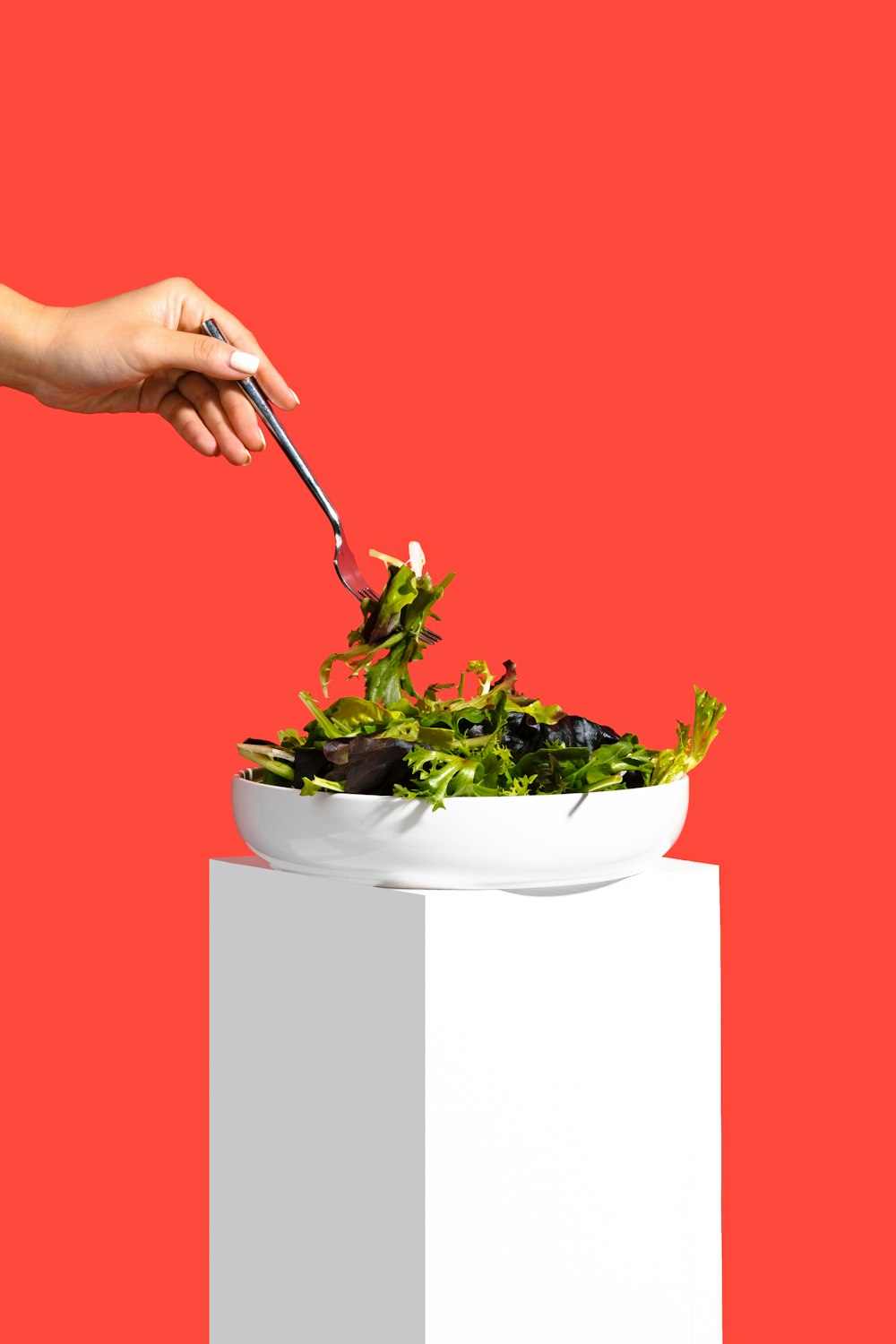
 a person is holding a fork over a bowl of food

Intermittent fasting (IF) can be an effective approach for weight loss for some people, but its effectiveness can vary depending on individual preferences, adherence, and lifestyle. IF is not a diet in the traditional sense but rather an eating pattern that involves alternating periods of fasting (not eating) with periods of eating. There are several methods of intermittent fasting, including the 16/8 method, the 5:2 method, the eat-stop-eat method, and others. Here are some factors to consider regarding the effectiveness of intermittent fasting for weight loss:

Pros of Intermittent Fasting for Weight Loss:

  1. Caloric Restriction: IF can help create a caloric deficit, which is essential for weight loss. By limiting the time window for eating, some people naturally consume fewer calories overall.

  2. Simplicity: IF can be relatively straightforward to implement compared to other diets because it doesn't require complex meal planning or calorie counting.

  3. Metabolic Benefits: Some studies suggest that intermittent fasting may have metabolic benefits, such as improved insulin sensitivity and increased fat oxidation.

  4. Flexible: There are various IF methods, allowing individuals to choose the one that best fits their lifestyle and preferences.

Cons of Intermittent Fasting for Weight Loss:

  1. Adherence: IF may not be suitable for everyone, as some people find it difficult to go for extended periods without eating, leading to overeating during eating windows.

  2. Hunger and Irritability: During fasting periods, some individuals may experience increased hunger, irritability, or difficulty concentrating.

  3. Social and Lifestyle Challenges: IF can be challenging to maintain in social situations or when your daily routine doesn't align with the fasting schedule.

  4. Lack of Nutrient Timing: Some argue that nutrient timing is important for muscle growth and overall health, and IF may not optimize nutrient intake throughout the day.

  5. Not Suitable for Everyone: IF may not be suitable for individuals with certain medical conditions, pregnant or breastfeeding women, or those with a history of eating disorders.

  6. Long-Term Sustainability: While some people find intermittent fasting sustainable in the long term, others may struggle to maintain it consistently.

Ultimately, the effectiveness of intermittent fasting for weight loss depends on the individual's ability to adhere to the chosen fasting schedule and how well it fits with their lifestyle. Some people may find it highly effective, while others may not. It's important to consult with a healthcare provider or registered dietitian before starting any new diet or eating pattern, especially if you have underlying health conditions or concerns about how it may affect you. Additionally, a well-rounded and balanced diet combined with regular physical activity is generally recommended for long-term weight management and overall health.

Monday, October 2, 2023

What are the best weight loss diet?

 silver fork and knife on plate

There is no one-size-fits-all "best" weight loss diet because what works for one person may not work for another. The most effective diet for weight loss depends on individual factors such as metabolism, preferences, lifestyle, and any underlying health conditions. However, several popular and evidence-based diets have been shown to help people lose weight and improve their overall health. Here are some of them:

  1. Mediterranean Diet: This diet is rich in fruits, vegetables, whole grains, lean proteins (especially fish), nuts, and olive oil. It is associated with weight loss, heart health, and reduced risk of chronic diseases.

  2. Low-Carb Diet: Low-carb diets, like the Atkins or ketogenic diet, restrict carbohydrate intake and promote higher fat and protein consumption. These diets can lead to rapid weight loss but may not be suitable for everyone.

  3. Low-Fat Diet: A low-fat diet reduces the consumption of dietary fats, often by limiting sources of saturated and trans fats. It can be effective for weight loss when combined with calorie control.

  4. Plant-Based Diet: Plant-based diets, such as vegetarian and vegan diets, emphasize whole plant foods like fruits, vegetables, legumes, and grains. They can be effective for weight loss when they are well-balanced and nutrient-dense.

  5. Intermittent Fasting: Intermittent fasting involves cycling between periods of eating and fasting. Common approaches include the 16/8 method (fast for 16 hours and eat during an 8-hour window) and the 5:2 method (eat normally for 5 days and limit calories on 2 non-consecutive days).

  6. Paleo Diet: The paleo diet focuses on whole, unprocessed foods that were available to our ancestors, such as lean meats, fish, fruits, vegetables, nuts, and seeds.

  7. DASH Diet: The Dietary Approaches to Stop Hypertension (DASH) diet is designed to lower blood pressure, but it can also support weight loss. It emphasizes fruits, vegetables, lean proteins, whole grains, and limited salt intake.

  8. Calorie Restriction: Ultimately, weight loss comes down to creating a calorie deficit—burning more calories than you consume. Any diet that helps you achieve this deficit can lead to weight loss.

  9. Mindful Eating: This approach focuses on being more aware of your eating habits, paying attention to hunger and fullness cues, and eating without distractions. It can support healthy weight management.

  10. Customized Approaches: Some people may benefit from personalized diet plans or working with a registered dietitian who can tailor a plan to their specific needs and preferences.

Keep in mind that while specific diets can be effective for weight loss, long-term success often depends on sustainable lifestyle changes. Additionally, it's crucial to consider the nutritional quality of the diet and ensure that it meets your individual nutrient needs.

Before starting any weight loss diet, it's advisable to consult with a healthcare professional or registered dietitian to ensure that the chosen plan is safe and appropriate for your unique circumstances. Remember that the best diet is one that you can stick to and maintain over the long term to achieve and maintain a healthy weight.

Sunday, October 1, 2023

The most effective weight loss method or program


The most effective weight loss method or program can vary from person to person, as individual factors like genetics, lifestyle, and preferences play a significant role in determining what will work best. However, some weight loss methods and programs have been shown to be more successful in helping people lose weight and maintain their progress. Here are some approaches that have proven to be effective:

  1. Balanced Diet: Adopting a balanced and sustainable diet that includes a variety of nutrient-dense foods such as fruits, vegetables, lean proteins, whole grains, and healthy fats can promote weight loss. Portion control and mindful eating are essential components.

  2. Caloric Deficit: Creating a caloric deficit, where you burn more calories than you consume, is fundamental to weight loss. This can be achieved through diet, exercise, or a combination of both.

  3. Regular Exercise: Incorporating regular physical activity into your routine is crucial for weight loss. Cardiovascular exercises like walking, running, cycling, and strength training can help you burn calories and build muscle.

  4. Behavioral Changes: Addressing behavioral patterns related to eating, such as emotional eating or mindless snacking, can be key to long-term success. Cognitive-behavioral therapy (CBT) and other psychological approaches may be beneficial.

  5. Support and Accountability: Joining a weight loss group, working with a personal trainer, or seeking the support of friends and family can help you stay accountable and motivated.

  6. Tracking and Monitoring: Keeping a food diary, tracking your progress, and setting achievable goals can help you stay on track and make necessary adjustments.

  7. Medical Supervision: In some cases, medical supervision or weight loss programs supervised by healthcare professionals may be necessary, especially if you have underlying health conditions or severe obesity.

  8. Lifestyle Changes: Sustainable weight loss often requires long-term lifestyle changes rather than short-term diets. Focus on habits that you can maintain over time.

  9. Mindful Eating: Practicing mindful eating involves paying full attention to what and how you eat, which can help you make healthier choices and avoid overeating.

  10. Dietary Support: Some people find success with specific diets like low-carb, Mediterranean, or intermittent fasting. However, it's essential to choose a diet that suits your preferences and can be maintained over the long term.

  11. Professional Guidance: Consulting with a registered dietitian or nutritionist can help you create a personalized and sustainable eating plan tailored to your needs and goals.

  12. Weight Loss Medications or Surgery: In extreme cases, weight loss medications or surgical options like bariatric surgery may be considered under the guidance of a healthcare professional.

It's crucial to approach weight loss with realistic expectations and a focus on overall health and well-being rather than quick fixes or extreme measures. Keep in mind that what works best for one person may not work for another, and it may take time to find the right approach that fits your individual needs and preferences. Always consult with a healthcare professional before starting any weight loss program, especially if you have underlying medical conditions or concerns about your health.

The Top 5 Foods for Eye Health: Boost Your Vision Naturally

  In today’s digital world, our eyes are working overtime. From screen-heavy jobs to scrolling through social media, eye strain and long-ter...