


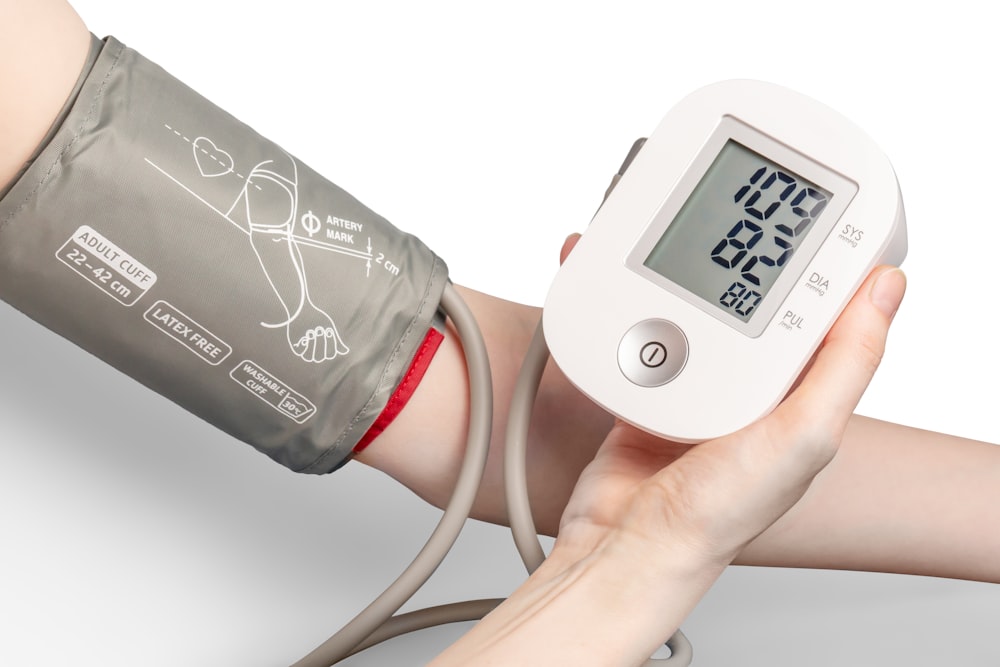
A diet that can help lower blood pressure is often referred to as the Dietary Approaches to Stop Hypertension (DASH) diet. It emphasizes foods that are rich in nutrients that can help reduce blood pressure, such as potassium, calcium, magnesium, and fiber, while limiting sodium (salt) intake. Here are some of the best foods to include in a blood pressure-friendly diet:
Fruits and Vegetables: Aim to consume a variety of colorful fruits and vegetables, as they are high in potassium, magnesium, and fiber. Potassium helps counteract the effects of sodium on blood pressure.
Whole Grains: Incorporate whole grains like brown rice, quinoa, whole wheat bread, and oats into your diet. They are rich in fiber and can help lower blood pressure.
Lean Protein: Opt for lean sources of protein, such as skinless poultry, fish, tofu, and legumes like beans and lentils. These are lower in saturated fat and can be part of a heart-healthy diet.
Nuts and Seeds: Almonds, walnuts, flaxseeds, and chia seeds are good sources of healthy fats, magnesium, and potassium. They can be part of a blood pressure-lowering diet in moderation.
Dairy: Choose low-fat or fat-free dairy products like yogurt, milk, and cheese, as they provide calcium and protein without excess saturated fat.
Fatty Fish: Fatty fish like salmon, mackerel, and sardines are rich in omega-3 fatty acids, which have been shown to lower blood pressure and reduce the risk of heart disease.
Legumes: Beans, lentils, and peas are excellent sources of fiber, potassium, and magnesium. They can help regulate blood pressure.
Herbs and Spices: Use herbs and spices like garlic, basil, oregano, and turmeric to flavor your food instead of salt. These can add flavor without increasing sodium intake.
Olive Oil: Use olive oil or other heart-healthy oils like canola or avocado oil for cooking and salad dressings. These fats are healthier alternatives to saturated and trans fats.
Limit Sodium: Reduce your intake of high-sodium foods like processed and packaged foods, canned soups, and fast food. Try to stay below the recommended daily limit of 2,300 milligrams of sodium (about a teaspoon of salt), or even lower if you have high blood pressure.
Limit Alcohol: If you consume alcohol, do so in moderation. This typically means up to one drink per day for women and up to two drinks per day for men.
Reduce Added Sugars: Limit your intake of sugary beverages and foods as they can contribute to weight gain and potentially raise blood pressure.
It's important to note that dietary changes alone may not be sufficient to control high blood pressure for everyone. Lifestyle factors such as regular exercise, stress management, and maintaining a healthy weight also play significant roles in managing blood pressure. Additionally, if you have high blood pressure, it's important to consult with a healthcare professional for personalized guidance and treatment options.


