Monday, October 16, 2023

Flu Fighters: Home Remedies to Kick the Bug Out of Your Home

 white ceramic mug on white table beside black eyeglasses

As the seasons change, so do our health concerns. While the flu can strike at any time of the year, it often becomes more prevalent during the colder months. When that sneezing, coughing, and overall discomfort knock on your door, it's time to arm yourself with natural remedies that can help you bounce back to health. In this blog post, we'll explore unique and effective home remedies to cure the flu. These time-tested methods can help you fight off the flu bug and get back on your feet in no time.

  1. Ginger and Honey Tea:

Ginger and honey are a dynamic duo when it comes to combating flu symptoms. Ginger boasts powerful anti-inflammatory and antiviral properties, while honey soothes a sore throat and suppresses coughing. To make this comforting tea, simply steep fresh ginger slices in hot water and add a spoonful of honey. Sip on this concoction throughout the day to relieve congestion and boost your immune system.

  1. Garlic Immunity Bomb:

Garlic is known for its immunity-boosting qualities. It contains allicin, a compound with antiviral and antibacterial properties. To create a garlic immunity bomb, mince a few cloves of garlic and mix them with honey and lemon juice. Take this concoction regularly to strengthen your immune system and ward off the flu.

  1. Steam Inhalation with Eucalyptus:

One of the most annoying flu symptoms is congestion. To ease it, create a steam inhalation remedy. Boil water and add a few drops of eucalyptus oil. Cover your head with a towel and inhale the steam deeply. Eucalyptus oil acts as a natural decongestant, helping to clear your sinuses and make breathing easier.

  1. Turmeric and Milk:

Turmeric is a potent anti-inflammatory and antioxidant spice that can help alleviate flu symptoms. Add a teaspoon of turmeric powder to a glass of warm milk, stir well, and drink before bedtime. The combination of turmeric and milk can help you sleep better and reduce the intensity of your flu symptoms.

  1. Chicken Soup with a Twist:

Chicken soup is a classic remedy for the flu, but you can make it even more effective by adding immune-boosting ingredients. Include garlic, ginger, and a dash of cayenne pepper in your chicken soup for an extra kick. These ingredients not only enhance the flavor but also provide essential nutrients to speed up your recovery.

  1. Peppermint and Echinacea Tea:

Peppermint and echinacea are known for their immune-boosting properties. Combine the two in a soothing tea by steeping peppermint leaves and echinacea flowers in hot water. Sip this tea throughout the day to reduce fever and improve your overall well-being.

Conclusion:

While modern medicine offers effective treatments for the flu, home remedies can also play a vital role in your recovery. These unique home remedies provide a holistic approach to combating the flu, addressing not just the symptoms but also boosting your immune system. The next time you feel the flu coming on, reach for these natural ingredients and let your body's own defenses help you bounce back to health. Just remember, it's always advisable to consult a healthcare professional if your symptoms persist or worsen. Stay healthy and flu-free!

Thursday, October 12, 2023

Revitalize Your Mornings: 10 Unique and Healthy Breakfast Ideas

a bowl of cereal and a bowl of blueberries

Introduction: Mornings are the starting point of our day, and what we eat for breakfast can set the tone for the hours ahead. While the idea of a healthy breakfast might conjure images of bland oatmeal or plain yogurt, it's time to think outside the cereal box. In this blog post, we'll explore ten unique and delicious breakfast ideas that will not only nourish your body but also awaken your taste buds.

  1. Savory Quinoa Bowl: Break away from traditional grains and start your day with a savory quinoa bowl. Cook quinoa with vegetable broth, add sautéed spinach, diced tomatoes, and a sprinkle of feta cheese. Top it off with a poached egg for an extra protein punch.

  2. Breakfast Tacos: Tacos aren't just for lunch and dinner. Fill whole wheat tortillas with scrambled eggs, black beans, diced avocado, and a dollop of Greek yogurt. Drizzle with salsa for that extra kick.

  3. Sweet Potato Toast: Swap bread for sweet potato slices and bake them until they're tender and slightly crispy. Top with almond butter, sliced bananas, and a sprinkle of cinnamon for a nutritious and sweet twist.

  4. Chia Pudding Parfait: Chia seeds are packed with omega-3 fatty acids and fiber. Make a chia pudding by mixing chia seeds with almond milk and a touch of honey. Layer it with fresh berries and granola for a delightful breakfast parfait.

  5. Green Smoothie Bowl: Upgrade your smoothie routine by turning it into a bowl. Blend spinach, banana, Greek yogurt, and a touch of honey, and then top it with sliced kiwi, shredded coconut, and pumpkin seeds for a refreshing, nutrient-packed bowl.

  6. Breakfast Quesadilla: Make a nutritious quesadilla using whole-grain tortillas, scrambled eggs, black beans, diced bell peppers, and a sprinkle of low-fat cheese. Fold it in half, heat it up, and serve with salsa for a satisfying, savory breakfast.

  7. Mediterranean Breakfast Salad: Embrace the Mediterranean diet by preparing a breakfast salad. Combine diced cucumbers, tomatoes, olives, feta cheese, and poached eggs. Drizzle with olive oil and a pinch of oregano for a Mediterranean-inspired morning treat.

  8. Overnight Oats with a Twist: Take overnight oats to the next level by adding your favorite flavor combinations. Try vanilla extract and mixed berries, cocoa powder and sliced almonds, or cinnamon and diced apples for a breakfast that's as unique as you are.

  9. Smashed Avocado and Egg Toast: Elevate your avocado toast game by mashing ripe avocado on whole-grain toast and topping it with a perfectly poached or fried egg. Sprinkle with red pepper flakes, sea salt, and a squeeze of lemon for an explosion of flavor.

  10. Protein-Packed Pancakes: Indulge in a stack of protein pancakes made with whole wheat flour, Greek yogurt, and your choice of protein powder. Top with fresh berries and a drizzle of pure maple syrup for a mouthwatering, protein-rich breakfast.

Conclusion: A healthy breakfast doesn't have to be mundane. These unique and delicious breakfast ideas can transform your mornings into something to look forward to. By starting your day with these creative and nutritious options, you'll nourish your body, fuel your mind, and set the stage for a vibrant and productive day ahead. So, why settle for the same old breakfast when you can savor these delightful alternatives? Give them a try and let your taste buds dance in the morning sun!

Wednesday, October 11, 2023

Unmasking Nature's Hidden Treasures: The Power of Natural Acne Treatment

a woman wearing a white shirt

Acne, the relentless nemesis of clear skin, affects millions of people worldwide. While the pharmaceutical industry offers a multitude of synthetic treatments, the quest for a natural solution remains undying. Fortunately, nature has provided a treasure trove of remedies that can help you combat acne without harsh chemicals. In this blog post, we delve into the world of natural acne treatment, revealing the hidden gems that can give you clearer, healthier skin.

  1. The Magic of Tea Tree Oil

Tea tree oil, derived from the leaves of the Australian Melaleuca alternifolia tree, is a potent natural remedy for acne. Its natural antibacterial properties make it effective in fighting acne-causing bacteria. When applied topically, it can help reduce inflammation, redness, and the size of pimples. Simply mix a few drops of tea tree oil with a carrier oil, like jojoba or coconut oil, and apply it to the affected areas.

  1. Aloe Vera: Nature's Soothing Elixir

Aloe vera, often referred to as the "plant of immortality," has been used for centuries to treat various skin conditions, including acne. Its anti-inflammatory and healing properties can help reduce redness and promote the healing of acne lesions. You can apply fresh aloe vera gel directly to your skin or look for products that contain aloe vera as an ingredient.

  1. The Power of Witch Hazel

Witch hazel, a natural astringent derived from the witch hazel shrub, can help tighten the skin and reduce inflammation. It's an excellent option for those with oily or acne-prone skin. Apply witch hazel with a cotton pad after cleansing to help tone your skin and minimize pore size.

  1. The Marvelous Manuka Honey

Manuka honey, a special type of honey produced in New Zealand, is renowned for its remarkable antibacterial and healing properties. When applied to acne-prone skin, it can help reduce inflammation and prevent bacterial growth. Create a soothing face mask by applying a thin layer of Manuka honey to your face and leaving it on for 15-20 minutes before rinsing off with warm water.

  1. Green Tea: A Sip of Clear Skin

Green tea isn't just a soothing beverage; it's also a fantastic natural acne fighter. It's rich in antioxidants and has anti-inflammatory properties that can help reduce acne and prevent breakouts. You can brew a cup of green tea and use the cooled tea as a toner or mix it with other natural ingredients to create DIY face masks.

  1. Embrace a Balanced Diet

What you eat has a direct impact on your skin. A diet rich in fruits and vegetables, whole grains, and lean proteins can help keep your skin healthy. Foods high in antioxidants, like berries and leafy greens, can combat free radicals and reduce inflammation. Staying hydrated by drinking plenty of water is also essential for maintaining clear skin.

  1. Mindful Skincare Habits

Your skincare routine plays a vital role in natural acne treatment. Choose gentle, natural skincare products that are free of harsh chemicals and artificial fragrances. Additionally, always remember to cleanse your face daily, remove makeup before bed, and avoid excessive scrubbing, which can irritate the skin.

Conclusion

Natural acne treatment is a holistic approach to skincare that harnesses the power of nature to heal and rejuvenate your skin. From the soothing properties of aloe vera to the antibacterial punch of tea tree oil, the world of natural remedies offers a variety of options to help you achieve clearer, healthier skin. When combined with a balanced diet and mindful skincare habits, these natural treatments can be your secret weapon in the battle against acne, helping you unveil your natural beauty and regain your confidence.

Monday, October 9, 2023

Top healthy food to keep you fit!

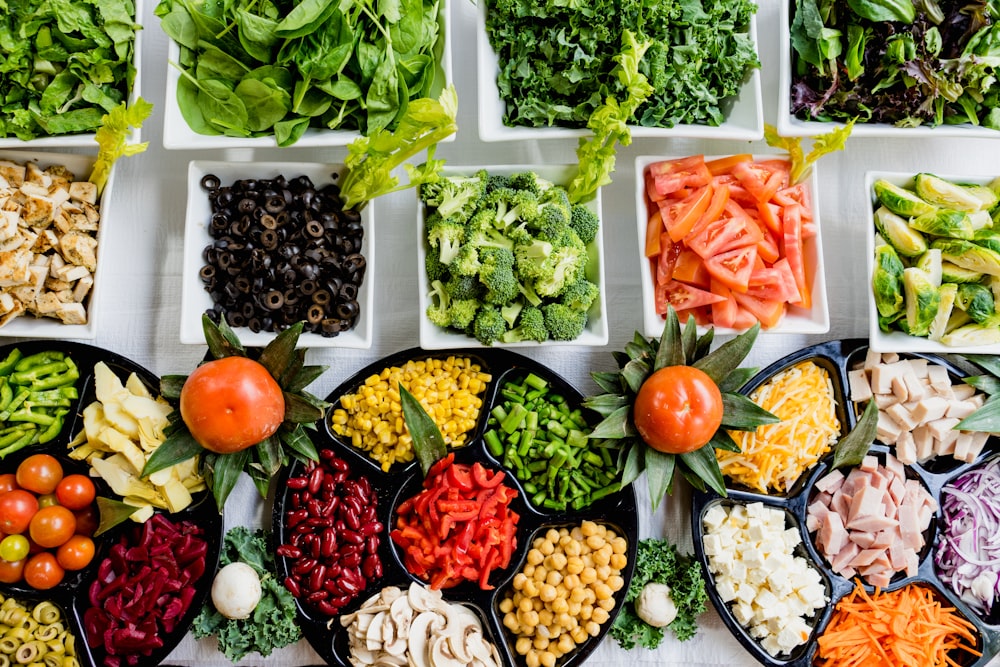
 macro shot of vegetable lot

Eating a well-balanced and healthy diet is essential for maintaining fitness and overall well-being. Here are some top healthy foods that can help you stay fit:

  1. Leafy Greens: Vegetables like spinach, kale, Swiss chard, and broccoli are packed with vitamins, minerals, and antioxidants. They are low in calories and high in fiber, making them great for weight management.

  2. Lean Proteins: Include lean sources of protein like chicken breast, turkey, fish, tofu, and beans in your diet. Protein is essential for muscle repair and growth.

  3. Whole Grains: Opt for whole grains such as brown rice, quinoa, oats, and whole wheat bread. They provide sustained energy and are rich in fiber.

  4. Fruits: Fruits like berries, apples, oranges, and bananas are rich in vitamins, minerals, and fiber. They make for a nutritious and natural source of energy.

  5. Nuts and Seeds: Almonds, walnuts, chia seeds, and flaxseeds are good sources of healthy fats, protein, and fiber. They can help control hunger and provide essential nutrients.

  6. Greek Yogurt: Greek yogurt is high in protein and probiotics, which support digestive health and can aid in weight management.

  7. Avocado: Avocado is rich in monounsaturated fats, which are heart-healthy. It's also a good source of fiber, vitamins, and minerals.

  8. Salmon: Fatty fish like salmon is high in omega-3 fatty acids, which are beneficial for heart health and can reduce inflammation.

  9. Eggs: Eggs are a great source of protein, vitamins, and minerals. They are also versatile and can be prepared in various ways.

  10. Legumes: Beans, lentils, and chickpeas are rich in protein, fiber, and complex carbohydrates. They help stabilize blood sugar levels and provide long-lasting energy.

  11. Olive Oil: Use extra virgin olive oil as your primary cooking oil. It contains healthy monounsaturated fats and antioxidants.

  12. Berries: Berries like blueberries, strawberries, and raspberries are packed with antioxidants and vitamins. They are also relatively low in calories.

  13. Green Tea: Green tea is rich in antioxidants and has been associated with various health benefits, including improved metabolism and weight management.

  14. Quinoa: Quinoa is a complete protein source and a good alternative to traditional grains. It's also rich in fiber and various vitamins and minerals.

  15. Cottage Cheese: Cottage cheese is low in fat and high in protein, making it an excellent choice for a protein-rich snack or meal.

Remember that a balanced diet, regular physical activity, and portion control are key to maintaining fitness and overall health. It's also important to consult with a healthcare professional or registered dietitian for personalized dietary recommendations based on your individual needs and goals.

Sunday, October 8, 2023

Healthy snacks suggestions

 flat lay photography of sliced apples, sausages, chips and brown sauce

Healthy snacks can help keep your energy levels stable between meals and provide essential nutrients. Here are some suggestions for healthy snack options:

  1. Fresh Fruit:

    • Grab a piece of fresh fruit like apples, bananas, oranges, or berries. They are rich in vitamins, fiber, and natural sugars.
  2. Vegetable Sticks with Hummus:

    • Cut up some cucumber, carrot, bell pepper, or celery sticks and dip them in hummus. This combination provides fiber, vitamins, and healthy fats.
  3. Greek Yogurt:

    • Opt for plain Greek yogurt, which is high in protein and probiotics. Add a drizzle of honey and some berries for extra flavor.
  4. Nuts and Seeds:

    • A small handful of unsalted almonds, walnuts, or pumpkin seeds can provide healthy fats, protein, and fiber.
  5. Nut Butter on Whole-Grain Bread:

    • Spread almond, peanut, or cashew butter on whole-grain bread or rice cakes for a satisfying and nutritious snack.
  6. Cottage Cheese with Fruit:

    • Cottage cheese paired with sliced peaches, pineapple, or a sprinkle of berries offers a mix of protein and natural sweetness.
  7. Hard-Boiled Eggs:

    • Hard-boiled eggs are portable and packed with protein. Sprinkle them with a pinch of salt and pepper for flavor.
  8. Popcorn:

    • Air-popped popcorn (without excessive butter or salt) is a whole grain and can be a low-calorie, satisfying snack.
  9. Sliced Avocado on Whole-Grain Crackers:

    • Spread sliced avocado on whole-grain crackers and top with a dash of sea salt and pepper.
  10. Smoothie:

    • Blend a smoothie using Greek yogurt, spinach or kale, frozen fruit, and a splash of milk or a dairy-free alternative.
  11. Cottage Cheese and Pineapple:

    • Combine cottage cheese with chunks of fresh pineapple for a sweet and savory snack.
  12. Trail Mix:

    • Make your own trail mix by combining nuts, seeds, dried fruit, and a small amount of dark chocolate chips or cacao nibs.
  13. Cherry Tomatoes with Mozzarella:

    • Pair cherry tomatoes with mini mozzarella balls and a drizzle of balsamic vinegar for a tasty and nutritious snack.
  14. Oatmeal:

    • Cook a small portion of oatmeal and add a touch of honey, sliced banana, or a handful of berries for natural sweetness.
  15. Rice Cakes with Toppings:

    • Top rice cakes with avocado, cottage cheese, smoked salmon, or almond butter for variety.
  16. Edamame:

    • Steamed edamame (young soybeans) is a protein-packed and satisfying snack. Sprinkle with a little sea salt for flavor.

Remember to pay attention to portion sizes, especially with calorie-dense snacks like nuts and nut butter. Also, be mindful of any dietary restrictions or allergies you may have when selecting snacks. These healthy snack ideas can be customized to suit your taste preferences and dietary needs.

Thursday, October 5, 2023

What are the best fruits to eat for weight loss?

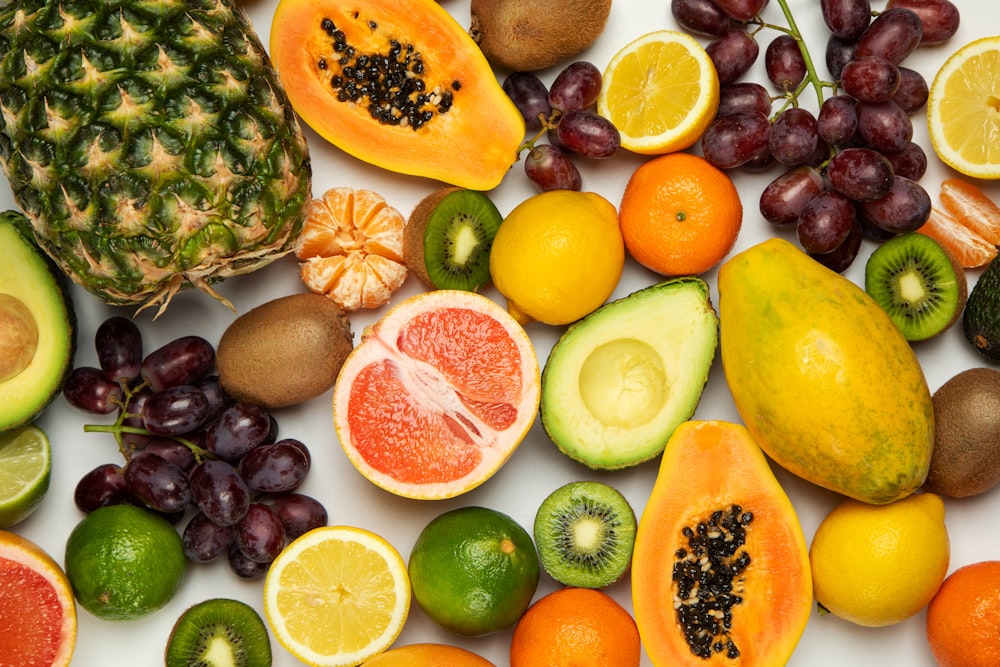
 sliced orange fruit and green round fruits

When it comes to weight loss, it's important to incorporate fruits that are relatively low in calories and high in nutrients and fiber. These fruits can help you feel full and satisfied while also providing essential vitamins and minerals. Here are some fruits that are often considered excellent choices for weight loss:

  1. Berries (e.g., strawberries, blueberries, raspberries): Berries are low in calories and packed with antioxidants, vitamins, and fiber. They can help control your appetite and satisfy your sweet tooth.

  2. Apples: Apples are rich in fiber, particularly soluble fiber called pectin, which can help you feel full. Eating an apple before a meal may reduce your overall calorie intake.

  3. Pears: Like apples, pears are high in fiber and can help with satiety. They also have a naturally sweet flavor.

  4. Citrus fruits (e.g., oranges, grapefruits): Citrus fruits are low in calories and high in vitamin C. They can add a refreshing and tangy element to your diet.

  5. Kiwi: Kiwi is a nutrient-dense fruit that's low in calories and high in fiber, vitamin C, and vitamin K.

  6. Watermelon: Watermelon is mostly water, making it a hydrating and low-calorie choice. It's also a good source of vitamins A and C.

  7. Papaya: Papaya is low in calories and contains an enzyme called papain that may aid digestion.

  8. Guava: Guava is a tropical fruit that's rich in fiber, vitamin C, and various antioxidants. It's relatively low in calories.

  9. Cherries: Cherries are a sweet and low-calorie fruit that can be a satisfying snack.

  10. Plums: Plums are high in vitamins, fiber, and antioxidants. They can help support digestive health.

Remember that while these fruits can be part of a healthy weight loss diet, portion control is still important. Eating excessive amounts of any food, even fruits, can contribute to weight gain. Additionally, it's essential to maintain a balanced diet and engage in regular physical activity for effective and sustainable weight loss. Consulting with a healthcare professional or registered dietitian can provide personalized guidance tailored to your specific needs and goals.

Wednesday, October 4, 2023

What is the best type of exercise for weight loss?

 silhouette of three women running on grey concrete road

The best type of exercise for weight loss can vary from person to person, as individual preferences, fitness levels, and goals play a significant role. However, there are several types of exercises and strategies that can be effective for weight loss:

  1. Cardiovascular (Aerobic) Exercise: Cardio exercises elevate your heart rate and help burn calories. Some effective options include:

    • Running or Jogging: High-intensity and burns a significant number of calories.
    • Cycling: Great for lower-body strength and endurance.
    • Swimming: A full-body workout that's easy on the joints.
    • Walking: Suitable for beginners and can be done almost anywhere.
    • Dancing: Fun and can be a great way to burn calories.
  2. High-Intensity Interval Training (HIIT): HIIT involves short bursts of intense exercise followed by brief periods of rest or lower-intensity exercise. It can help you burn calories both during and after the workout due to the "afterburn" effect.

  3. Strength Training: Building lean muscle mass can increase your metabolism, which helps with long-term weight management. Weight lifting, resistance bands, and bodyweight exercises like push-ups and squats are effective options.

  4. Circuit Training: Combines cardiovascular and strength exercises into a single workout. It can be an efficient way to burn calories and improve overall fitness.

  5. Yoga: While not as intense as some other forms of exercise, yoga can aid weight loss by reducing stress, improving flexibility, and promoting mindfulness, which can lead to healthier eating habits.

  6. Pilates: Focuses on core strength, flexibility, and overall body conditioning. It may not burn as many calories as cardio exercises but can complement a weight loss program.

  7. Sports and Recreational Activities: Engaging in sports like tennis, basketball, or racquetball, or recreational activities like hiking or rock climbing, can make exercise more enjoyable and help you stay consistent.

  8. Consistency and Variation: The key to successful weight loss through exercise is consistency and variety. A combination of different types of exercises can prevent boredom and plateaus in your progress.

Remember that diet also plays a crucial role in weight loss. While exercise helps burn calories and improve overall health, it's essential to create a calorie deficit (burning more calories than you consume) through a combination of diet and exercise for effective and sustainable weight loss. It's advisable to consult with a healthcare professional or a certified fitness trainer to create a personalized exercise plan tailored to your goals and needs.

Tuesday, October 3, 2023

Is intermittent fasting effective in weight loss?

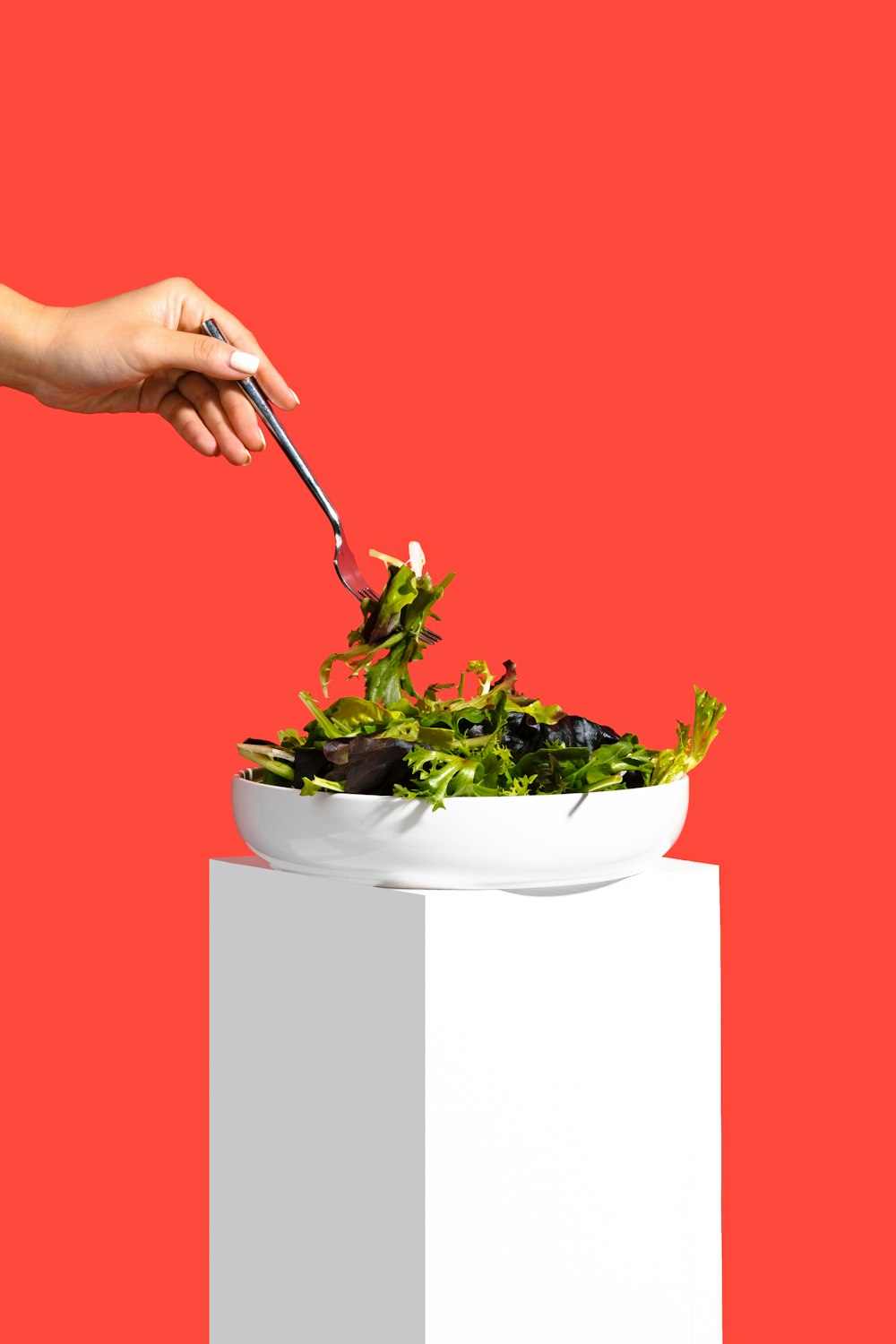
 a person is holding a fork over a bowl of food

Intermittent fasting (IF) can be an effective approach for weight loss for some people, but its effectiveness can vary depending on individual preferences, adherence, and lifestyle. IF is not a diet in the traditional sense but rather an eating pattern that involves alternating periods of fasting (not eating) with periods of eating. There are several methods of intermittent fasting, including the 16/8 method, the 5:2 method, the eat-stop-eat method, and others. Here are some factors to consider regarding the effectiveness of intermittent fasting for weight loss:

Pros of Intermittent Fasting for Weight Loss:

  1. Caloric Restriction: IF can help create a caloric deficit, which is essential for weight loss. By limiting the time window for eating, some people naturally consume fewer calories overall.

  2. Simplicity: IF can be relatively straightforward to implement compared to other diets because it doesn't require complex meal planning or calorie counting.

  3. Metabolic Benefits: Some studies suggest that intermittent fasting may have metabolic benefits, such as improved insulin sensitivity and increased fat oxidation.

  4. Flexible: There are various IF methods, allowing individuals to choose the one that best fits their lifestyle and preferences.

Cons of Intermittent Fasting for Weight Loss:

  1. Adherence: IF may not be suitable for everyone, as some people find it difficult to go for extended periods without eating, leading to overeating during eating windows.

  2. Hunger and Irritability: During fasting periods, some individuals may experience increased hunger, irritability, or difficulty concentrating.

  3. Social and Lifestyle Challenges: IF can be challenging to maintain in social situations or when your daily routine doesn't align with the fasting schedule.

  4. Lack of Nutrient Timing: Some argue that nutrient timing is important for muscle growth and overall health, and IF may not optimize nutrient intake throughout the day.

  5. Not Suitable for Everyone: IF may not be suitable for individuals with certain medical conditions, pregnant or breastfeeding women, or those with a history of eating disorders.

  6. Long-Term Sustainability: While some people find intermittent fasting sustainable in the long term, others may struggle to maintain it consistently.

Ultimately, the effectiveness of intermittent fasting for weight loss depends on the individual's ability to adhere to the chosen fasting schedule and how well it fits with their lifestyle. Some people may find it highly effective, while others may not. It's important to consult with a healthcare provider or registered dietitian before starting any new diet or eating pattern, especially if you have underlying health conditions or concerns about how it may affect you. Additionally, a well-rounded and balanced diet combined with regular physical activity is generally recommended for long-term weight management and overall health.

Monday, October 2, 2023

What are the best weight loss diet?

 silver fork and knife on plate

There is no one-size-fits-all "best" weight loss diet because what works for one person may not work for another. The most effective diet for weight loss depends on individual factors such as metabolism, preferences, lifestyle, and any underlying health conditions. However, several popular and evidence-based diets have been shown to help people lose weight and improve their overall health. Here are some of them:

  1. Mediterranean Diet: This diet is rich in fruits, vegetables, whole grains, lean proteins (especially fish), nuts, and olive oil. It is associated with weight loss, heart health, and reduced risk of chronic diseases.

  2. Low-Carb Diet: Low-carb diets, like the Atkins or ketogenic diet, restrict carbohydrate intake and promote higher fat and protein consumption. These diets can lead to rapid weight loss but may not be suitable for everyone.

  3. Low-Fat Diet: A low-fat diet reduces the consumption of dietary fats, often by limiting sources of saturated and trans fats. It can be effective for weight loss when combined with calorie control.

  4. Plant-Based Diet: Plant-based diets, such as vegetarian and vegan diets, emphasize whole plant foods like fruits, vegetables, legumes, and grains. They can be effective for weight loss when they are well-balanced and nutrient-dense.

  5. Intermittent Fasting: Intermittent fasting involves cycling between periods of eating and fasting. Common approaches include the 16/8 method (fast for 16 hours and eat during an 8-hour window) and the 5:2 method (eat normally for 5 days and limit calories on 2 non-consecutive days).

  6. Paleo Diet: The paleo diet focuses on whole, unprocessed foods that were available to our ancestors, such as lean meats, fish, fruits, vegetables, nuts, and seeds.

  7. DASH Diet: The Dietary Approaches to Stop Hypertension (DASH) diet is designed to lower blood pressure, but it can also support weight loss. It emphasizes fruits, vegetables, lean proteins, whole grains, and limited salt intake.

  8. Calorie Restriction: Ultimately, weight loss comes down to creating a calorie deficit—burning more calories than you consume. Any diet that helps you achieve this deficit can lead to weight loss.

  9. Mindful Eating: This approach focuses on being more aware of your eating habits, paying attention to hunger and fullness cues, and eating without distractions. It can support healthy weight management.

  10. Customized Approaches: Some people may benefit from personalized diet plans or working with a registered dietitian who can tailor a plan to their specific needs and preferences.

Keep in mind that while specific diets can be effective for weight loss, long-term success often depends on sustainable lifestyle changes. Additionally, it's crucial to consider the nutritional quality of the diet and ensure that it meets your individual nutrient needs.

Before starting any weight loss diet, it's advisable to consult with a healthcare professional or registered dietitian to ensure that the chosen plan is safe and appropriate for your unique circumstances. Remember that the best diet is one that you can stick to and maintain over the long term to achieve and maintain a healthy weight.

Sunday, October 1, 2023

The most effective weight loss method or program


The most effective weight loss method or program can vary from person to person, as individual factors like genetics, lifestyle, and preferences play a significant role in determining what will work best. However, some weight loss methods and programs have been shown to be more successful in helping people lose weight and maintain their progress. Here are some approaches that have proven to be effective:

  1. Balanced Diet: Adopting a balanced and sustainable diet that includes a variety of nutrient-dense foods such as fruits, vegetables, lean proteins, whole grains, and healthy fats can promote weight loss. Portion control and mindful eating are essential components.

  2. Caloric Deficit: Creating a caloric deficit, where you burn more calories than you consume, is fundamental to weight loss. This can be achieved through diet, exercise, or a combination of both.

  3. Regular Exercise: Incorporating regular physical activity into your routine is crucial for weight loss. Cardiovascular exercises like walking, running, cycling, and strength training can help you burn calories and build muscle.

  4. Behavioral Changes: Addressing behavioral patterns related to eating, such as emotional eating or mindless snacking, can be key to long-term success. Cognitive-behavioral therapy (CBT) and other psychological approaches may be beneficial.

  5. Support and Accountability: Joining a weight loss group, working with a personal trainer, or seeking the support of friends and family can help you stay accountable and motivated.

  6. Tracking and Monitoring: Keeping a food diary, tracking your progress, and setting achievable goals can help you stay on track and make necessary adjustments.

  7. Medical Supervision: In some cases, medical supervision or weight loss programs supervised by healthcare professionals may be necessary, especially if you have underlying health conditions or severe obesity.

  8. Lifestyle Changes: Sustainable weight loss often requires long-term lifestyle changes rather than short-term diets. Focus on habits that you can maintain over time.

  9. Mindful Eating: Practicing mindful eating involves paying full attention to what and how you eat, which can help you make healthier choices and avoid overeating.

  10. Dietary Support: Some people find success with specific diets like low-carb, Mediterranean, or intermittent fasting. However, it's essential to choose a diet that suits your preferences and can be maintained over the long term.

  11. Professional Guidance: Consulting with a registered dietitian or nutritionist can help you create a personalized and sustainable eating plan tailored to your needs and goals.

  12. Weight Loss Medications or Surgery: In extreme cases, weight loss medications or surgical options like bariatric surgery may be considered under the guidance of a healthcare professional.

It's crucial to approach weight loss with realistic expectations and a focus on overall health and well-being rather than quick fixes or extreme measures. Keep in mind that what works best for one person may not work for another, and it may take time to find the right approach that fits your individual needs and preferences. Always consult with a healthcare professional before starting any weight loss program, especially if you have underlying medical conditions or concerns about your health.

Saturday, September 30, 2023

Best foods to lower blood pressure with

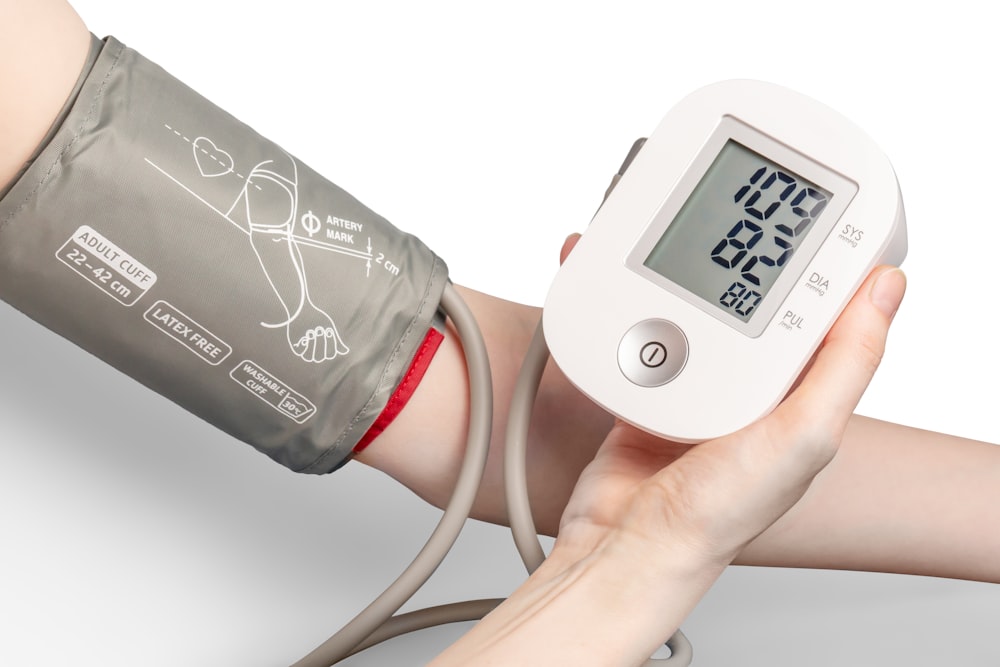
 white and black digital device

A diet that can help lower blood pressure is often referred to as the Dietary Approaches to Stop Hypertension (DASH) diet. It emphasizes foods that are rich in nutrients that can help reduce blood pressure, such as potassium, calcium, magnesium, and fiber, while limiting sodium (salt) intake. Here are some of the best foods to include in a blood pressure-friendly diet:

  1. Fruits and Vegetables: Aim to consume a variety of colorful fruits and vegetables, as they are high in potassium, magnesium, and fiber. Potassium helps counteract the effects of sodium on blood pressure.

  2. Whole Grains: Incorporate whole grains like brown rice, quinoa, whole wheat bread, and oats into your diet. They are rich in fiber and can help lower blood pressure.

  3. Lean Protein: Opt for lean sources of protein, such as skinless poultry, fish, tofu, and legumes like beans and lentils. These are lower in saturated fat and can be part of a heart-healthy diet.

  4. Nuts and Seeds: Almonds, walnuts, flaxseeds, and chia seeds are good sources of healthy fats, magnesium, and potassium. They can be part of a blood pressure-lowering diet in moderation.

  5. Dairy: Choose low-fat or fat-free dairy products like yogurt, milk, and cheese, as they provide calcium and protein without excess saturated fat.

  6. Fatty Fish: Fatty fish like salmon, mackerel, and sardines are rich in omega-3 fatty acids, which have been shown to lower blood pressure and reduce the risk of heart disease.

  7. Legumes: Beans, lentils, and peas are excellent sources of fiber, potassium, and magnesium. They can help regulate blood pressure.

  8. Herbs and Spices: Use herbs and spices like garlic, basil, oregano, and turmeric to flavor your food instead of salt. These can add flavor without increasing sodium intake.

  9. Olive Oil: Use olive oil or other heart-healthy oils like canola or avocado oil for cooking and salad dressings. These fats are healthier alternatives to saturated and trans fats.

  10. Limit Sodium: Reduce your intake of high-sodium foods like processed and packaged foods, canned soups, and fast food. Try to stay below the recommended daily limit of 2,300 milligrams of sodium (about a teaspoon of salt), or even lower if you have high blood pressure.

  11. Limit Alcohol: If you consume alcohol, do so in moderation. This typically means up to one drink per day for women and up to two drinks per day for men.

  12. Reduce Added Sugars: Limit your intake of sugary beverages and foods as they can contribute to weight gain and potentially raise blood pressure.

It's important to note that dietary changes alone may not be sufficient to control high blood pressure for everyone. Lifestyle factors such as regular exercise, stress management, and maintaining a healthy weight also play significant roles in managing blood pressure. Additionally, if you have high blood pressure, it's important to consult with a healthcare professional for personalized guidance and treatment options.

Friday, September 29, 2023

5 Simple Ways to Lose Weight and Improve Your Health

woman in black tank top and black shorts doing yoga

 Losing weight doesn't have to involve extreme diets or grueling workout routines. In fact, adopting simple and sustainable lifestyle changes can be highly effective for shedding those extra pounds and improving your overall health. Here are five straightforward ways to jumpstart your weight loss journey and achieve lasting results.

  1. Prioritize Whole Foods: One of the simplest and most effective ways to lose weight is to focus on eating whole, unprocessed foods. These foods are typically lower in calories and packed with essential nutrients, making them an excellent choice for weight management. Opt for fresh fruits and vegetables, lean proteins, whole grains, and healthy fats. By replacing processed snacks and sugary beverages with these wholesome options, you'll naturally reduce your calorie intake and support your weight loss goals.

  2. Mindful Eating: Mindful eating involves paying close attention to your food choices, eating slowly, and savoring every bite. It helps you become more attuned to your body's hunger and fullness cues, preventing overeating. When you eat mindfully, you're less likely to consume excess calories and more likely to enjoy your meals. Turn off the TV, put away your phone, and savor the flavors and textures of your food. This simple practice can have a profound impact on your weight loss journey.

  3. Stay Hydrated: Drinking water is a straightforward yet often overlooked aspect of weight loss. Sometimes, your body confuses thirst with hunger, leading to unnecessary snacking. To avoid this, stay hydrated throughout the day by drinking water regularly. A glass of water before meals can also help control your appetite and prevent overeating. Aim for at least 8 cups (64 ounces) of water daily, and more if you're physically active or in hot weather.

  4. Portion Control: Controlling portion sizes is another simple yet effective strategy for weight loss. Even healthy foods can lead to weight gain if consumed in excessive quantities. Use smaller plates, bowls, and utensils to help you manage portions, and be mindful of serving sizes when eating out. Additionally, avoid eating directly from large packages or containers, as this can lead to mindless overeating. Taking the time to portion out your food can help you stay on track.

  5. Move More Every Day: While intense workouts have their place in a healthy lifestyle, increasing your daily activity level can be just as important for weight loss. Incorporate more physical activity into your routine by taking the stairs, walking or biking to nearby destinations, or engaging in activities you enjoy, such as dancing or gardening. Aim for at least 150 minutes of moderate-intensity aerobic activity per week, and don't forget the benefits of strength training to build lean muscle mass, which boosts metabolism.

Conclusion: Losing weight doesn't need to be a complex or daunting process. By adopting these five simple strategies—prioritizing whole foods, practicing mindful eating, staying hydrated, controlling portion sizes, and moving more—you can kickstart your weight loss journey in a sustainable and enjoyable way. Remember that small, consistent changes can lead to significant results over time, and achieving a healthier weight is just one aspect of improving your overall well-being.

Thursday, September 28, 2023

How to Lose Weight Without Exercise: A Comprehensive Guide

poached egg with vegetables and tomatoes on blue plate

Are you eager to shed some extra pounds but not a fan of traditional exercise routines? The good news is that it's entirely possible to achieve weight loss without hitting the gym or engaging in rigorous workouts. In this comprehensive guide, we'll explore effective strategies to help you lose weight without exercise, focusing on healthy lifestyle changes and dietary adjustments.

 The Role of Diet in Weight Loss

Diet plays a significant role in weight management, and making the right choices can make all the difference.

  • Caloric Intake: To lose weight, you must create a calorie deficit, which means consuming fewer calories than your body burns. Start by calculating your daily caloric needs and aim for a modest deficit, typically 500-1000 calories per day.

  • Balanced Diet: Opt for a balanced diet that includes lean proteins, whole grains, fruits, vegetables, and healthy fats. This ensures you get essential nutrients without excess calories.

 Portion Control and Mindful Eating

Controlling portion sizes and practicing mindful eating can help prevent overeating.

  • Smaller Plates: Use smaller plates and bowls to encourage smaller portions. This psychological trick can help you consume fewer calories without feeling deprived.

  • Chew Slowly: Eating slowly and savoring each bite allows your body to register fullness more accurately, reducing the likelihood of overeating.

 Choose Nutrient-Dense Foods

Selecting nutrient-rich foods ensures you get essential vitamins and minerals without excessive calories.

  • Lean Proteins: Include lean protein sources like chicken, turkey, fish, tofu, and beans in your meals. Protein aids in satiety and muscle preservation.

  • Fruits and Vegetables: These low-calorie, high-fiber foods provide essential nutrients and keep you feeling full. Aim to fill half your plate with veggies.

  • Whole Grains: Opt for whole grains such as brown rice, quinoa, and whole wheat pasta. They offer more fiber and nutrients than refined grains.

 Hydration and Limiting Sugary Beverages

Staying hydrated and avoiding sugary drinks can aid in weight loss.

  • Water: Drink plenty of water throughout the day. Sometimes thirst is mistaken for hunger, leading to unnecessary snacking.

  • Limit Sugary Drinks: Cut down on sugary sodas, energy drinks, and excessive fruit juices. These beverages are high in empty calories.

 Sleep and Stress Management

Poor sleep and high stress levels can hinder weight loss.

  • Sleep: Ensure you get quality sleep each night. Lack of sleep can disrupt hormones that regulate appetite, leading to weight gain.

  • Stress Reduction: Practice stress-reduction techniques like meditation, deep breathing, or yoga. High stress can lead to emotional eating and weight gain.

 Monitor Your Progress

Tracking your food intake and progress can help you stay on the right track.

  • Food Journal: Maintain a food journal to record what you eat. This can help identify problem areas and patterns.

  • Weighing In: Regularly check your weight to monitor your progress. However, don't obsess over daily fluctuations.

Conclusion:

Losing weight without exercise is entirely achievable by making mindful dietary choices and lifestyle adjustments. It's crucial to focus on a balanced diet, portion control, and nutrient-dense foods to create a sustainable calorie deficit. Combining these strategies with adequate sleep, stress management, and hydration can help you achieve your weight loss goals effectively.

Remember that weight loss should be gradual and sustainable. Consult with a healthcare professional or registered dietitian for personalized guidance and to ensure you're meeting your nutritional needs. With dedication and consistency, you can embark on a successful weight loss journey without setting foot in a gym.

Wednesday, September 27, 2023

What Is the Keto Diet? A Comprehensive Guide to Ketogenic Eating

 macro shot of vegetable lot

In recent years, the ketogenic diet, often referred to as the "keto" diet, has gained immense popularity as a powerful weight loss and health improvement strategy. But what exactly is the keto diet, and how does it work? In this comprehensive guide, we'll explore the fundamentals of the keto diet, its benefits, potential drawbacks, and whether it's the right choice for you.

What Is the Keto Diet?

The ketogenic diet is a low-carbohydrate, high-fat eating plan designed to shift your body's metabolism into a state known as ketosis. Ketosis is a natural metabolic state where your body primarily uses fat for fuel instead of carbohydrates. To achieve this state, you must significantly reduce your carb intake while increasing your fat consumption.

How Does the Keto Diet Work?

  1. Carbohydrate Restriction: The cornerstone of the keto diet is the restriction of carbohydrates. Typically, you limit your daily carb intake to around 20-50 grams, or even less. This forces your body to find an alternative energy source since carbs are no longer readily available.

  2. Increased Fat Consumption: To compensate for the reduced carbs, you consume a higher amount of healthy fats. These fats are broken down into molecules called ketones in the liver, which become the primary source of energy for your body and brain.

  3. Protein Moderation: While protein is a part of the diet, it should be consumed in moderate amounts to avoid excess protein converting into glucose, which could interfere with ketosis.

Benefits of the Keto Diet

  1. Weight Loss: Many people turn to the keto diet for its potential to promote rapid weight loss. By shifting your body into ketosis, you burn fat more efficiently, leading to significant fat loss.

  2. Improved Blood Sugar Control: The keto diet may help stabilize blood sugar levels and improve insulin sensitivity, making it a potential option for individuals with type 2 diabetes.

  3. Enhanced Mental Clarity: Some individuals report improved mental focus and clarity when in ketosis, which can be beneficial for tasks that require concentration.

  4. Appetite Suppression: High-fat meals can help you feel full and satisfied, potentially reducing overall calorie intake.

  5. Epilepsy Management: The keto diet was originally developed as a treatment for epilepsy, and it is still used today to help control seizures in some cases.

Drawbacks and Considerations

  1. Keto Flu: Some people experience flu-like symptoms when starting the diet, including fatigue, headaches, and nausea. These symptoms are often temporary and can be alleviated with proper hydration and electrolyte balance.

  2. Nutrient Deficiency: The keto diet can lead to nutrient deficiencies if not carefully planned. It's essential to include a variety of nutrient-dense foods in your diet.

  3. Strict Dietary Requirements: Maintaining ketosis requires strict adherence to carb limits, which can be challenging for some people.

  4. Individual Variation: The keto diet may not be suitable for everyone, and its effectiveness can vary from person to person.

In conclusion, the keto diet is a low-carb, high-fat eating plan that aims to shift your body into a state of ketosis, where it primarily burns fat for energy. While it offers potential benefits like weight loss and improved blood sugar control, it may not be suitable for everyone. Before starting the keto diet, it's essential to consult with a healthcare professional or registered dietitian to ensure it aligns with your health goals and needs. Additionally, it's important to approach the diet with a focus on balanced nutrition and long-term sustainability.

Superfoods for Weight Loss: Fuel Your Journey to a Healthier You

 variety of assorted-color beans

Are you on a mission to shed those extra pounds and achieve a healthier, fitter you? While there's no magic pill for weight loss, incorporating superfoods into your diet can certainly give you a helping hand. Superfoods are nutrient-packed, low-calorie options that not only aid in weight loss but also contribute to overall well-being. In this blog post, we'll explore some powerful superfoods that can supercharge your weight loss journey.

1. Avocado

Avocado is a true superstar in the world of superfoods. Rich in heart-healthy monounsaturated fats, avocados help you feel full and satisfied. They're also packed with fiber and various vitamins and minerals. The healthy fats in avocados can curb your appetite and reduce unhealthy cravings.

2. Berries (Blueberries, Strawberries, and Raspberries)

Berries are not only delicious but also incredibly low in calories. They are loaded with antioxidants, fiber, and vitamins that can boost your metabolism and help control your blood sugar levels. Try adding a handful of berries to your morning oatmeal or yogurt for a sweet and satisfying breakfast.

3. Leafy Greens (Spinach, Kale, and Swiss Chard)

Leafy greens are low in calories but high in essential nutrients like vitamins A and C, calcium, and iron. They are also rich in fiber, which promotes satiety. Incorporating more leafy greens into your diet can help control your appetite and support healthy digestion.

4. Salmon

Salmon is an excellent source of lean protein and omega-3 fatty acids. Protein is known to be highly satisfying and can help control your appetite. Omega-3 fatty acids, on the other hand, have been linked to reduced inflammation and improved insulin sensitivity, making weight loss more attainable.

5. Quinoa

Quinoa is a whole grain that's high in protein and fiber, making it an ideal choice for weight loss. It keeps you feeling full for longer periods and provides a steady source of energy throughout the day. Quinoa is also a complete protein, meaning it contains all nine essential amino acids.

6. Chia Seeds

Chia seeds are tiny nutritional powerhouses. They are rich in fiber and expand when mixed with liquid, which can help control hunger. These little seeds also provide a good dose of omega-3 fatty acids, which support overall health.

7. Greek Yogurt

Greek yogurt is packed with protein, making it an excellent choice for those looking to lose weight and build lean muscle. It's also a good source of probiotics, which can aid in digestion and support a healthy gut.

8. Green Tea

Green tea is not just a beverage; it's a metabolism-boosting elixir. The catechins in green tea have been shown to enhance fat oxidation and increase calorie burning. Sipping on a cup of green tea can be a smart addition to your daily routine.

Incorporating these superfoods into your diet can provide a significant boost to your weight loss efforts. However, remember that successful weight loss also depends on portion control, regular exercise, and a balanced diet. Before making any significant changes to your eating habits, it's always a good idea to consult with a healthcare professional or a registered dietitian to ensure that your plan aligns with your individual needs and goals.

With the right combination of superfoods and a healthy lifestyle, you'll be well on your way to achieving your weight loss goals and enjoying a happier, healthier you.

Tuesday, September 26, 2023

The Ultimate Guide: How to Start a Diet for Beginners


Embarking on a new diet journey as a beginner can be both exciting and overwhelming. With so many diets and weight loss plans available, it's crucial to choose an approach that's sustainable, effective, and tailored to your needs. In this article, we'll explore the best way to start a diet for beginners, focusing on creating healthy habits and long-term success.


  1. Set Clear Goals:

    Before diving into any diet, it's essential to define your goals. Are you looking to lose weight, improve your energy levels, or enhance your overall health? Setting clear and realistic goals will help you stay motivated and track your progress effectively.


  2. Choose a Balanced Diet:

    Instead of opting for extreme or restrictive diets, aim for a balanced approach that includes a variety of food groups. A balanced diet typically consists of fruits, vegetables, lean proteins, whole grains, and healthy fats. Avoiding any particular food group entirely may lead to nutrient deficiencies.

  3. Portion Control:

    Pay attention to portion sizes. Even healthy foods can lead to weight gain if consumed in excess. Learn about appropriate portion sizes for different foods to avoid overeating.

  4. Meal Planning:

    Plan your meals in advance to ensure you have nutritious options readily available. Meal prepping can help you make healthier choices and reduce the temptation to grab fast food or unhealthy snacks.

  5. Stay Hydrated:

    Adequate hydration is crucial for overall health. Drinking enough water can also help control your appetite and prevent overeating. Aim for at least 8 glasses (64 ounces) of water per day.

  6. Gradual Changes:

    Instead of making drastic changes overnight, consider making gradual adjustments to your diet. This approach is more sustainable and reduces the risk of feeling overwhelmed.

  7. Mindful Eating:

    Pay attention to what you eat and how you eat. Avoid distractions like TV or smartphones during meals and savor each bite. Mindful eating can help prevent overeating and improve digestion.

  8. Regular Exercise:

    Combining a healthy diet with regular exercise is essential for achieving your weight loss and fitness goals. Incorporate both cardiovascular exercises (e.g., jogging, cycling) and strength training into your routine.

  9. Seek Professional Guidance:

    If you're unsure about which diet is best for you or have specific dietary needs or health concerns, consider consulting a registered dietitian or healthcare provider. They can provide personalized advice and guidance.

  10. Track Your Progress:

    Keep a food journal or use a mobile app to track your meals, exercise, and progress. Monitoring your habits can help you identify areas for improvement and celebrate your successes.

  11. Stay Consistent:

    Consistency is key to success. Stick to your chosen diet plan and make it a part of your daily life. Remember that results may take time, so stay patient and motivated.

Conclusion:

Starting a diet as a beginner doesn't have to be intimidating. By setting clear goals, choosing a balanced approach, and making gradual, sustainable changes to your eating habits, you can embark on a successful diet journey. Remember that the best diet is one that you can maintain in the long term, promoting not only weight loss but also improved overall health and well-being. With dedication and the right mindset, you can achieve your dietary goals and enjoy a healthier lifestyle.

Monday, September 25, 2023

Mindful Eating: Techniques to Prevent Overeating and Improve Eating Habits

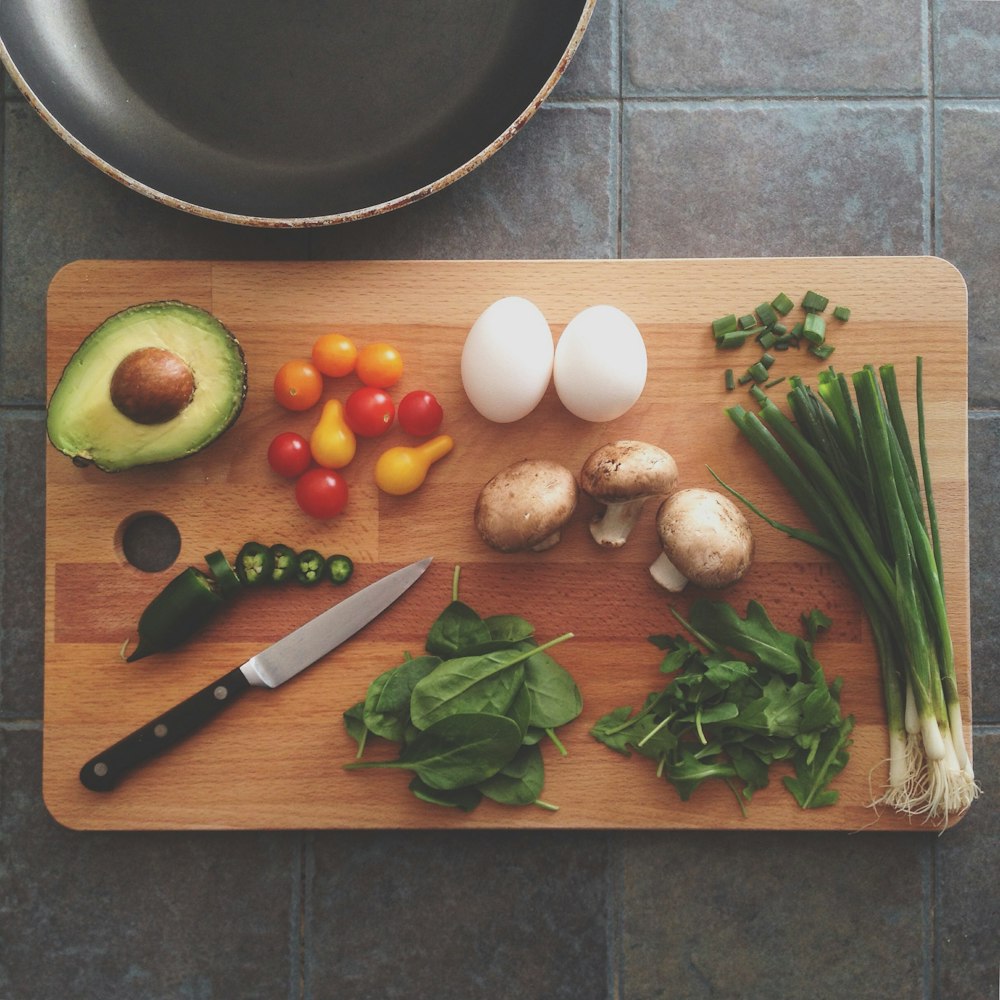
 avocado, tomatoes, eggs, mushrooms, spring onions, and leaves

In today's fast-paced world, it's easy to rush through meals without giving much thought to what we're eating or how much. This often leads to overeating and unhealthy eating habits. However, there's a simple but powerful solution to this problem: mindful eating. In this blog post, we'll explore what mindful eating is and provide you with practical techniques to incorporate it into your daily life. By the end, you'll have the tools to prevent overeating and cultivate healthier eating habits.

What is Mindful Eating?

Mindful eating is a practice that encourages us to pay full attention to our eating experience, from the texture and flavor of our food to our body's hunger and fullness cues. It's about being present in the moment and making conscious choices about what and how we eat. This approach to eating can lead to better digestion, weight management, and a healthier relationship with food.

Techniques for Mindful Eating 

  1. Eat Without Distractions: Turn off the TV, put away your phone, and sit down at a table to eat. This helps you focus solely on your meal.

  2. Savor Each Bite: Take your time to chew your food thoroughly, savoring the flavors and textures. This allows your body to better recognize when it's full.

  3. Listen to Your Body: Pay attention to hunger and fullness cues. Eat when you're hungry, and stop when you're satisfied, not stuffed.

  4. Engage Your Senses: Notice the colors, smells, and tastes of your food. This sensory experience enhances your connection to your meal.

  5. Portion Control: Use smaller plates and utensils to help manage portion sizes and prevent overeating.

  6. Practice Gratitude: Before you begin eating, take a moment to express gratitude for your food and the effort that went into preparing it.

The Benefits of Mindful Eating

By incorporating mindful eating techniques into your daily routine, you can enjoy several benefits. These include improved digestion, better control of your weight, reduced stress related to eating, and a greater appreciation for the food you consume.

Conclusion 

In a world where fast food and mindless eating often prevail, practicing mindful eating can be a game-changer for your health and well-being. It's a simple yet effective way to prevent overeating and establish healthier eating habits. Remember, it's not about perfection but progress. Start small, and over time, you'll find that mindful eating becomes a natural and enjoyable part of your life, leading to better overall health.

The Top 5 Foods for Eye Health: Boost Your Vision Naturally

  In today’s digital world, our eyes are working overtime. From screen-heavy jobs to scrolling through social media, eye strain and long-ter...